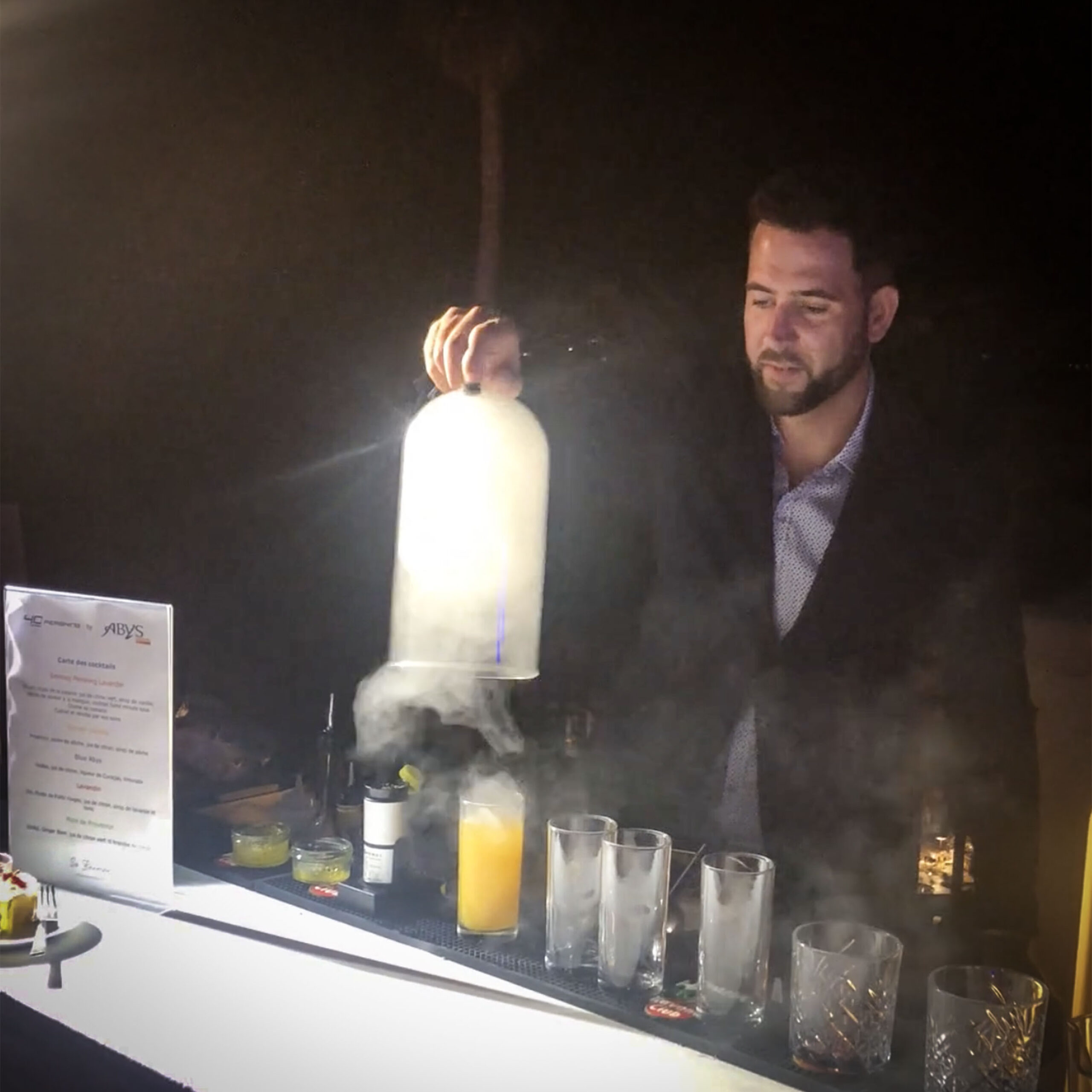
The first criterion is not the number of cocktails offered. It is the ability to understand context. A welcome drink for 80 guests is not planned like a three-hour open bar for 250 employees. Volume, timing, venue access and guest circulation change the staffing and preparation.
A serious provider asks questions before discussing recipes : When will everyone arrive? Is speed or spectacle the priority? Is water available? Where will ice, glassware and waste be stored? The quality of an event bar is often decided before the first shaker moves.
This assessment identifies the right format, whether an event cocktail bar, signature menu, mobile installation or participatory workshop.
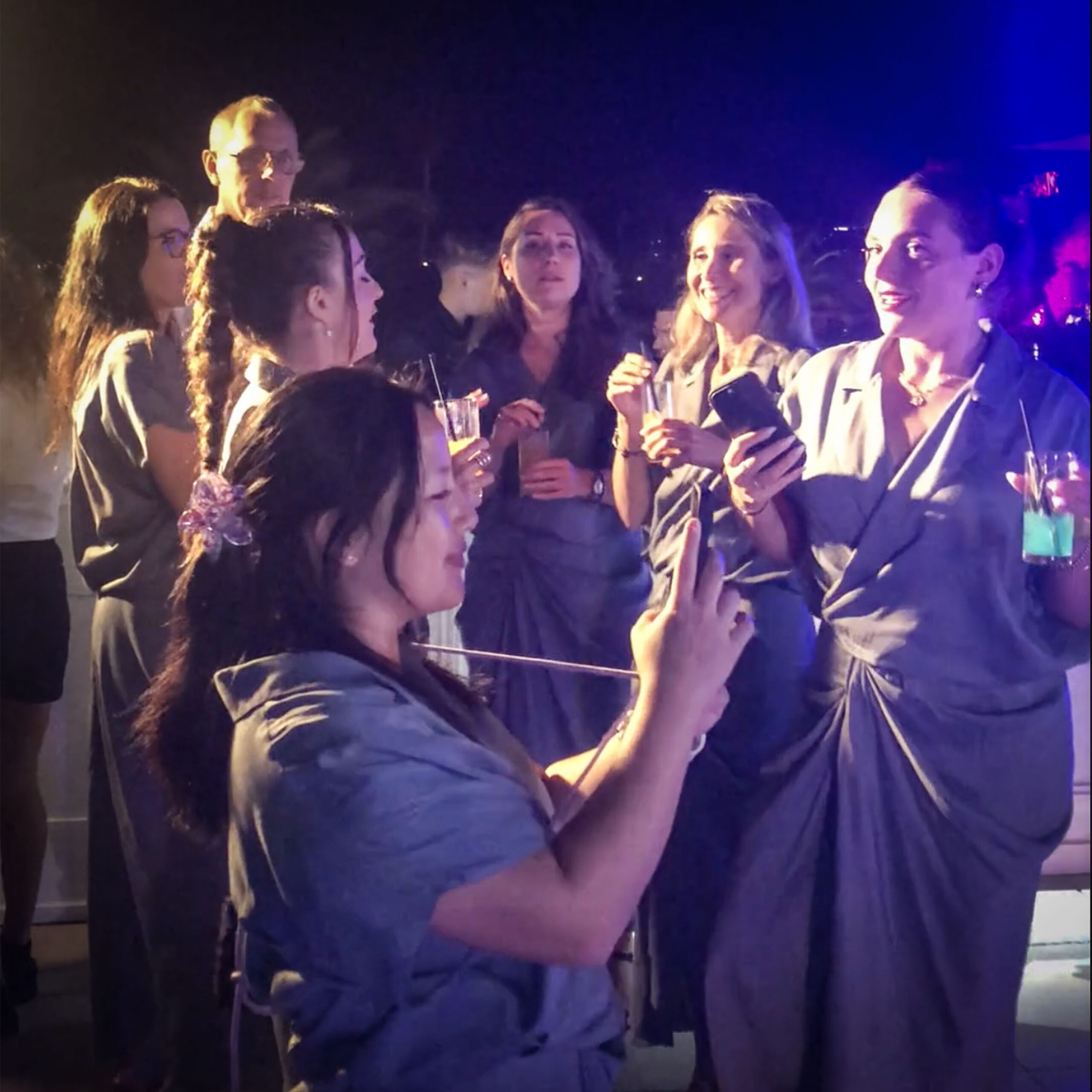
An event bartender is more than a cocktail technician. The role requires reading the room, managing a queue, keeping a clean station and speaking to guests with the right level of presence. Technique matters, but attitude matters just as much.
For corporate work, check proven event experience, the profiles actually assigned and the ability to coordinate with planners, caterers and venue staff. A premium team fits into an existing production without creating friction. References, real event photographs, case studies and previous menus are reasonable evidence to request. So Barman's case studies illustrate the level of operational detail that useful proof should provide.
Also ask who leads the bar on site, how breaks are covered and what backup exists for illness or transport delays. A named team lead gives the organiser one clear contact and keeps decisions consistent when timing changes during the event.
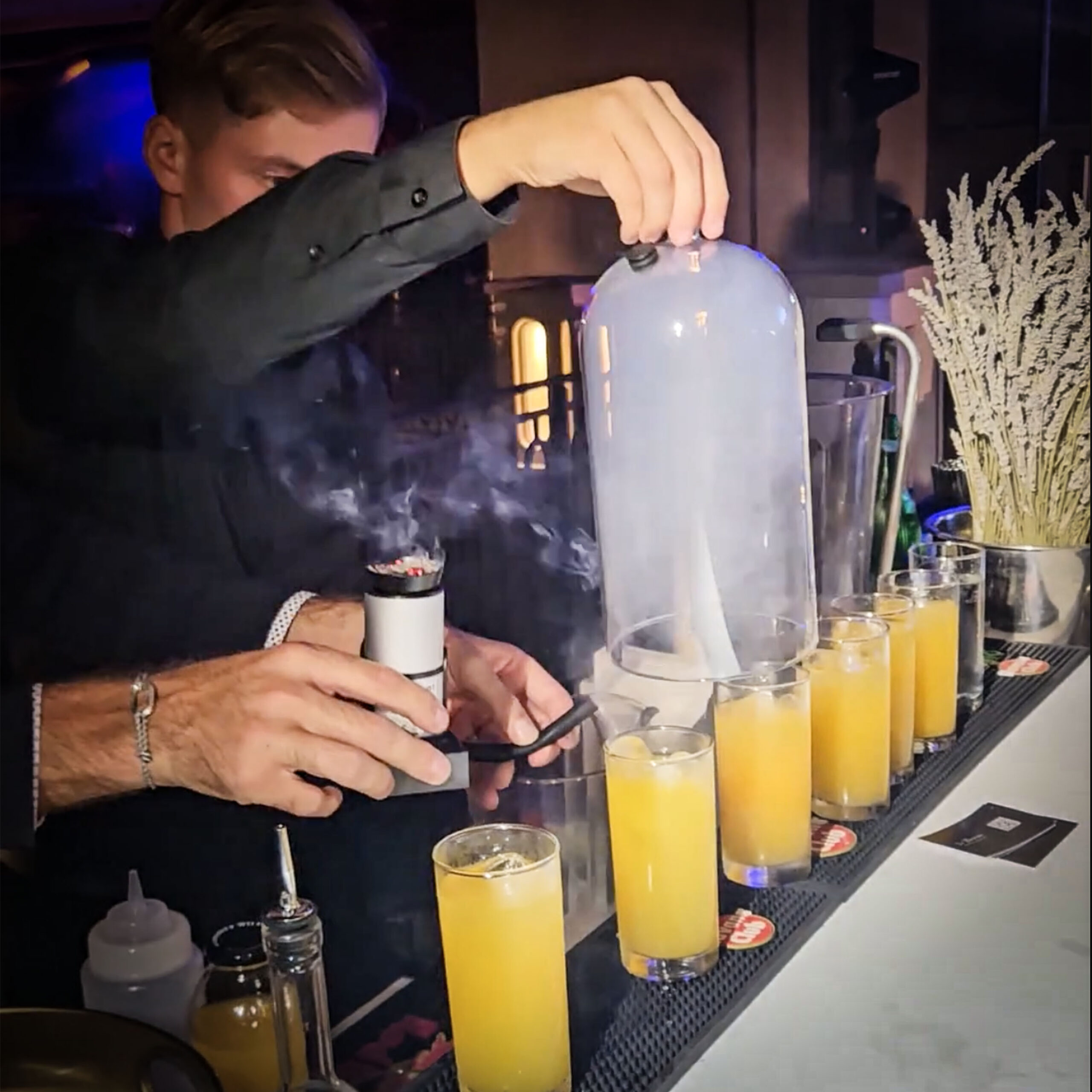
The menu should be short, clear and designed for the required service pace. Three well-planned drinks are more effective than a long list that slows the bar. A balanced menu can include :
Alcohol-free choices must be designed from the start. Fresh ginger, citrus, basil, hibiscus and cold-brew tea create colour, freshness and a long finish. No guest should feel they have received a secondary version of the experience.
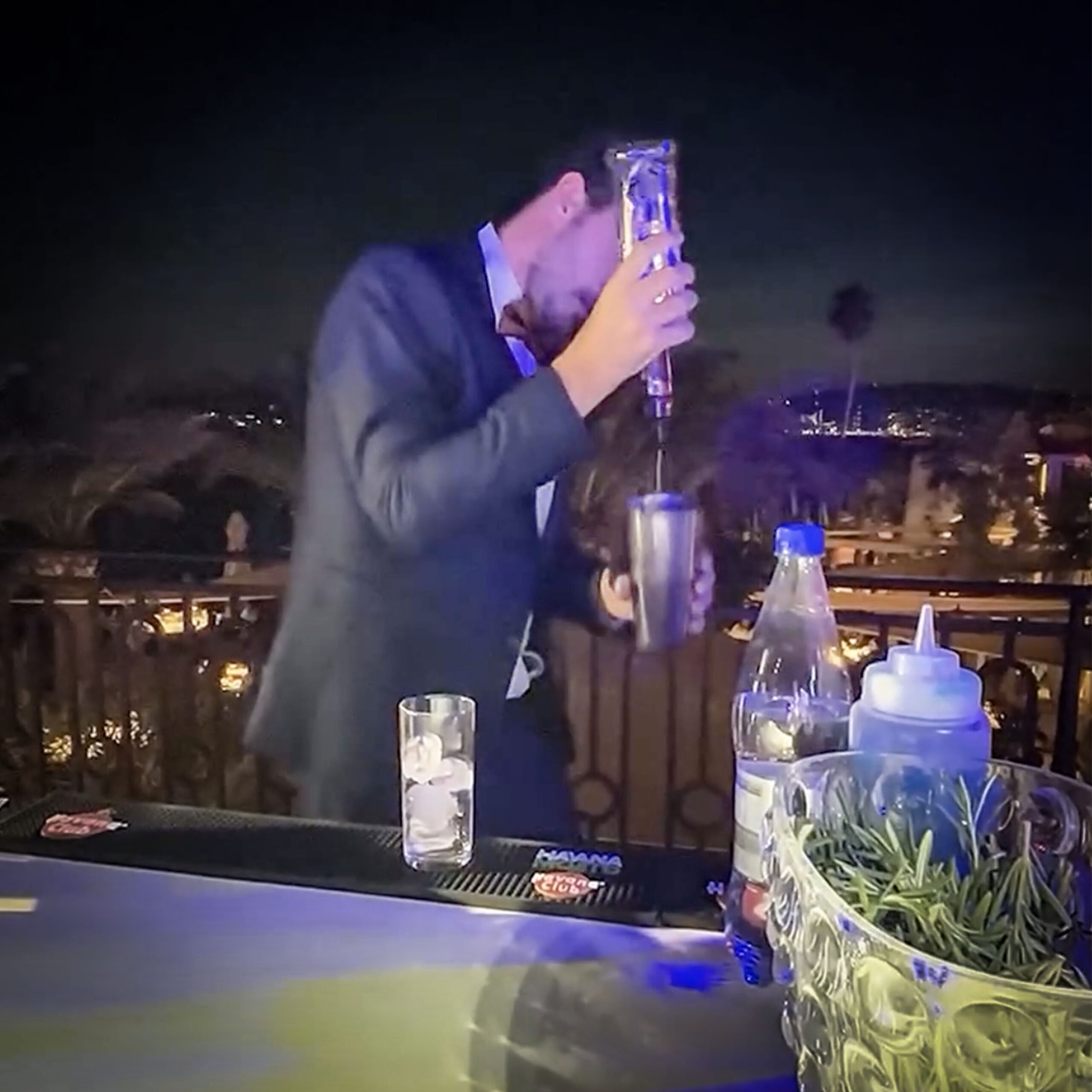
A mobile bar works when the venue has no permanent counter or the organiser wants a clear gathering point. It gives the service an immediate visual presence and creates an efficient workstation.
A flair bartending show is best used as one focused highlight. Flying shakers and synchronised movement draw attention, but the performance should support the programme. A cocktail workshop suits seminars and internal events where participation matters. The right format answers the real need : Serve, surprise, unite or involve.
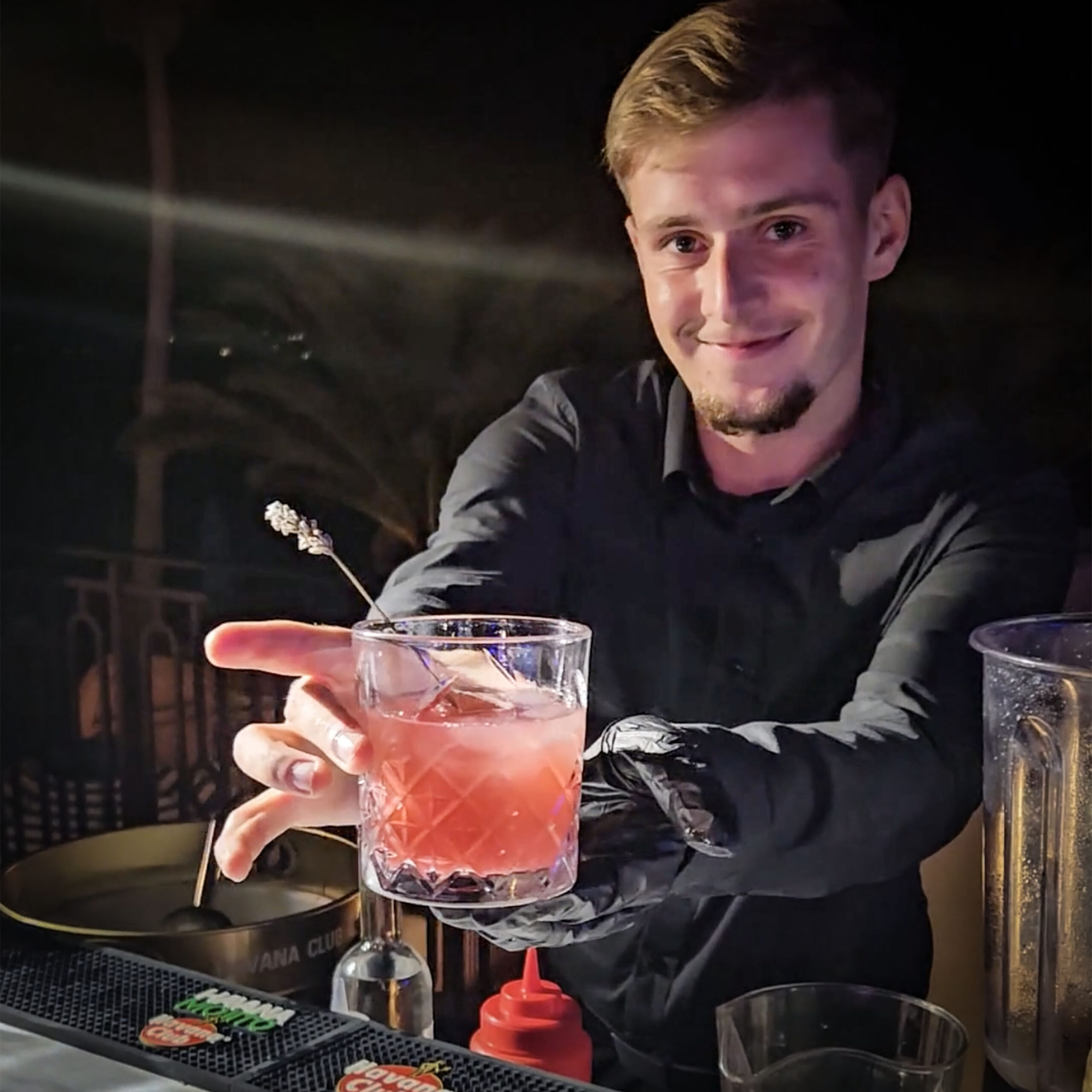
For professional cocktail service, serious providers often charge €9 to €13 excluding VAT per drink served, including bartenders, equipment, ingredients, ice, preparation and glassware where specified. A lower quote needs careful examination of what is missing. Higher prices usually reflect custom recipes, staging, flair or complex venue constraints.
For 80 to 100 guests over three hours, a coherent market budget is often €1,200 to €2,000 excluding VAT. For 150 to 250 guests with several bartenders, a personalised menu and fuller installation, allow roughly €2,500 to €6,000 excluding VAT.
The quote should detail staff, service duration, planned volumes, recipes, glassware, transport, setup, breakdown and options. A transparent quote protects both client and provider.
First, do not compare proposals only by their final total. A cheaper bar may exclude ice, glassware, travel or breakdown, or provide too few bartenders. Second, avoid a menu that is too ambitious for the available service window. Beautiful drinks still need serious advance preparation to leave the bar quickly.
Third, do not treat alcohol-free service as an afterthought. Finally, check who directs the team on site and what happens if the schedule changes. A reliable provider explains these trade-offs calmly and proposes workable solutions. Operational clarity is a stronger premium signal than an oversized drinks list.