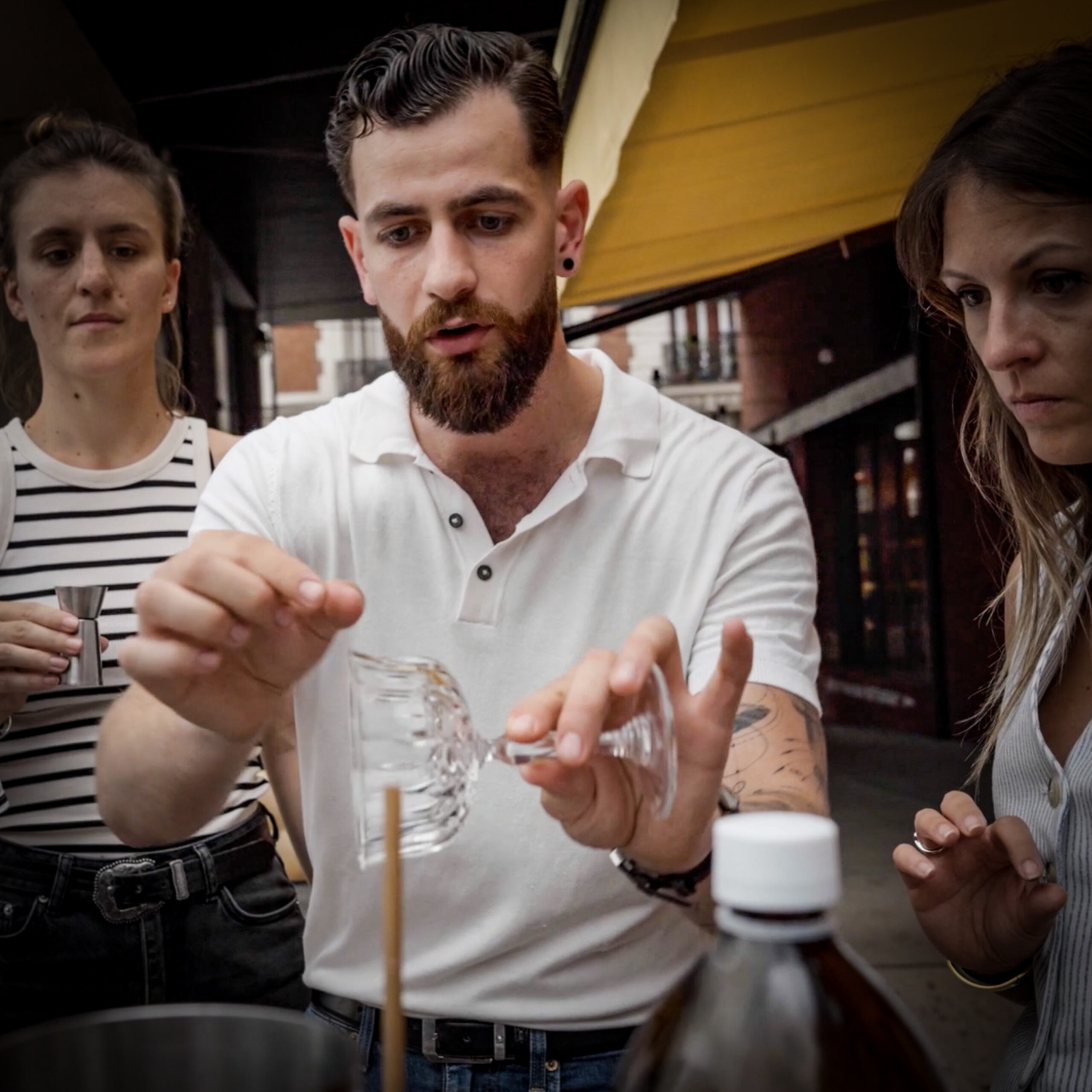
A good activity avoids two traps : Something so passive that people only watch, and an exercise so forced that quieter colleagues feel exposed. A cocktail workshop sits between the two. Everyone has something useful to do, without unnecessary pressure.
Colour, texture, freshness, acidity, balance, citrus and spice make each decision immediately visible and tasteable. Cohesion becomes practical because the team creates something together. Reserved participants can measure syrup, select a garnish, name the drink or present the final result. The activity offers several ways to contribute rather than rewarding only the loudest voices.
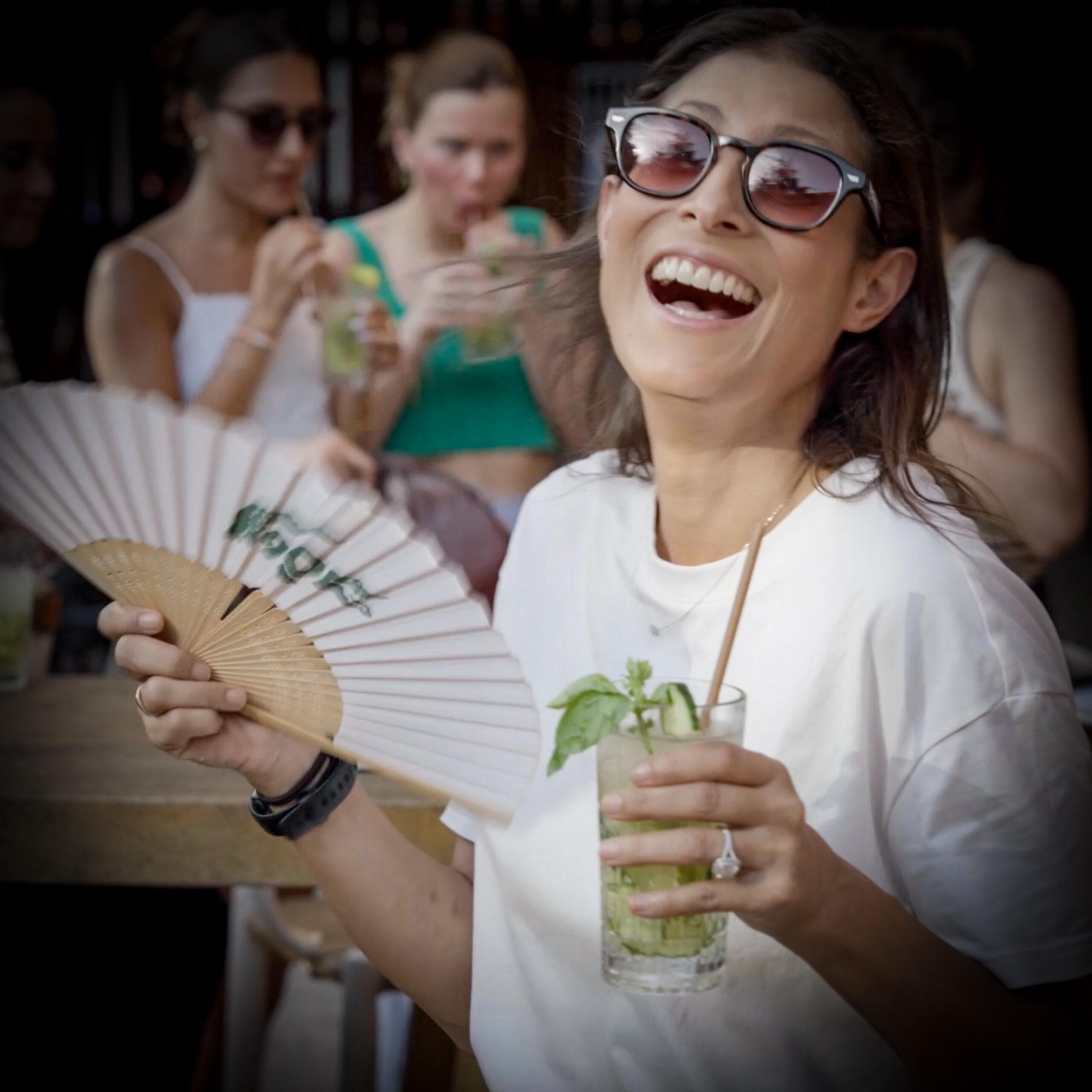
The most effective format stays simple. A short introduction covers cocktail families, sweet and sour balance, the role of ice and essential techniques. Participants then form small teams with one clear objective : Create a balanced recipe, present it well and explain the intention behind it.
A typical workshop follows three stages :
Within each team, rotating roles keeps the activity balanced : One person measures, another handles ice and shaking, a third adjusts flavour and someone else prepares the presentation. This simple organisation gives everyone a practical responsibility and prevents one confident participant from taking over the entire recipe, while keeping the exercise relaxed and easy to follow.
This structure works for 15 people and can scale much further when the number of mixologists, stations and ingredients is planned correctly. A successful workshop never leaves people waiting : Roles, movement and tempo are designed in advance.
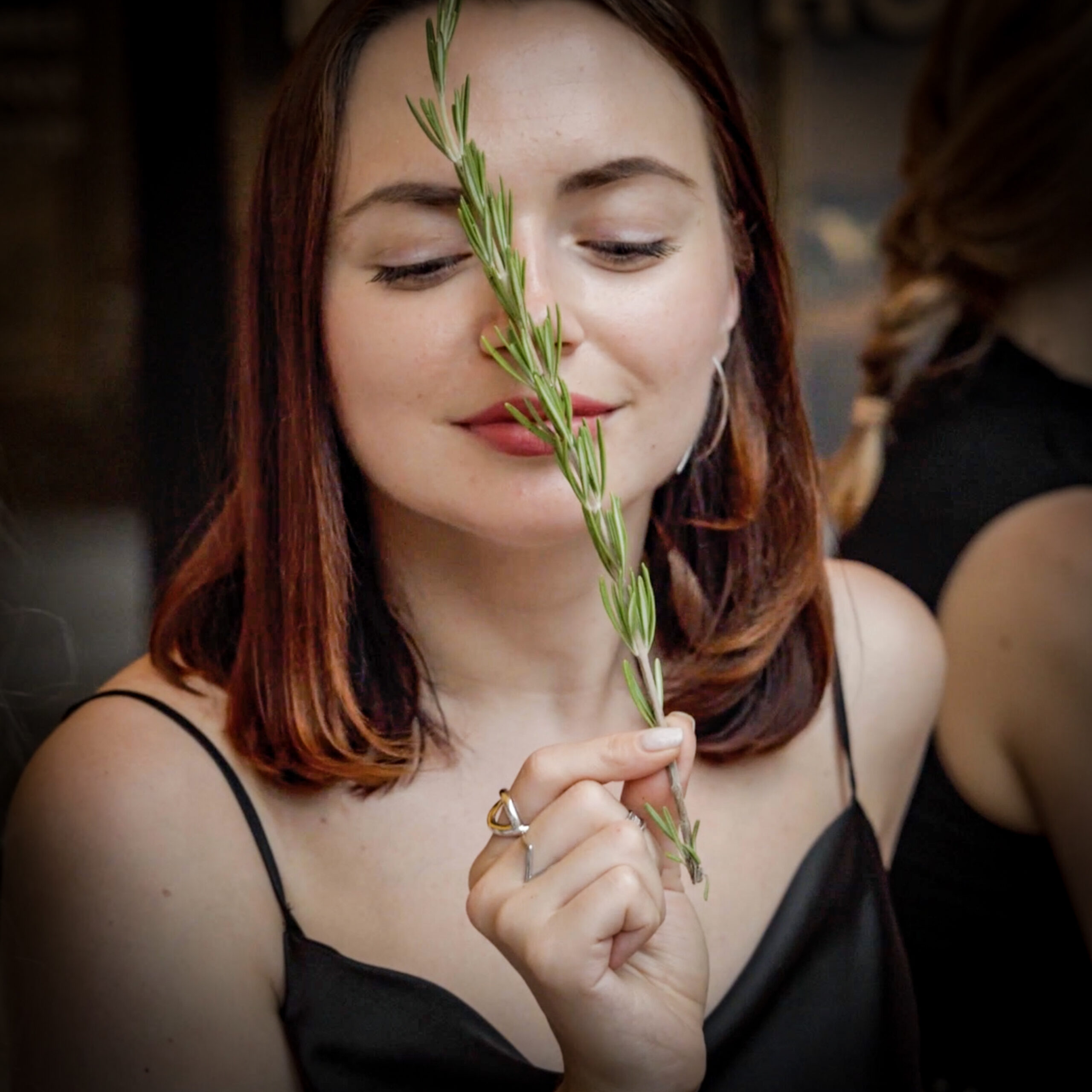
Both options work, but they serve different goals. A collaborative format suits newly formed teams, onboarding, leadership seminars and thank-you events. The atmosphere remains relaxed and centred on discovery. A competitive format adds energy through teams, a jury, a recipe pitch and a final result.
The challenge should remain elegant rather than childish or noisy. Competition should stimulate creativity, not turn the workshop into confusion. In either case, the activity can sit within a broader cocktail team building programme for a seminar, internal event or incentive. For another perspective on the format, the earlier cocktail team building workshop guide covers the core activity.
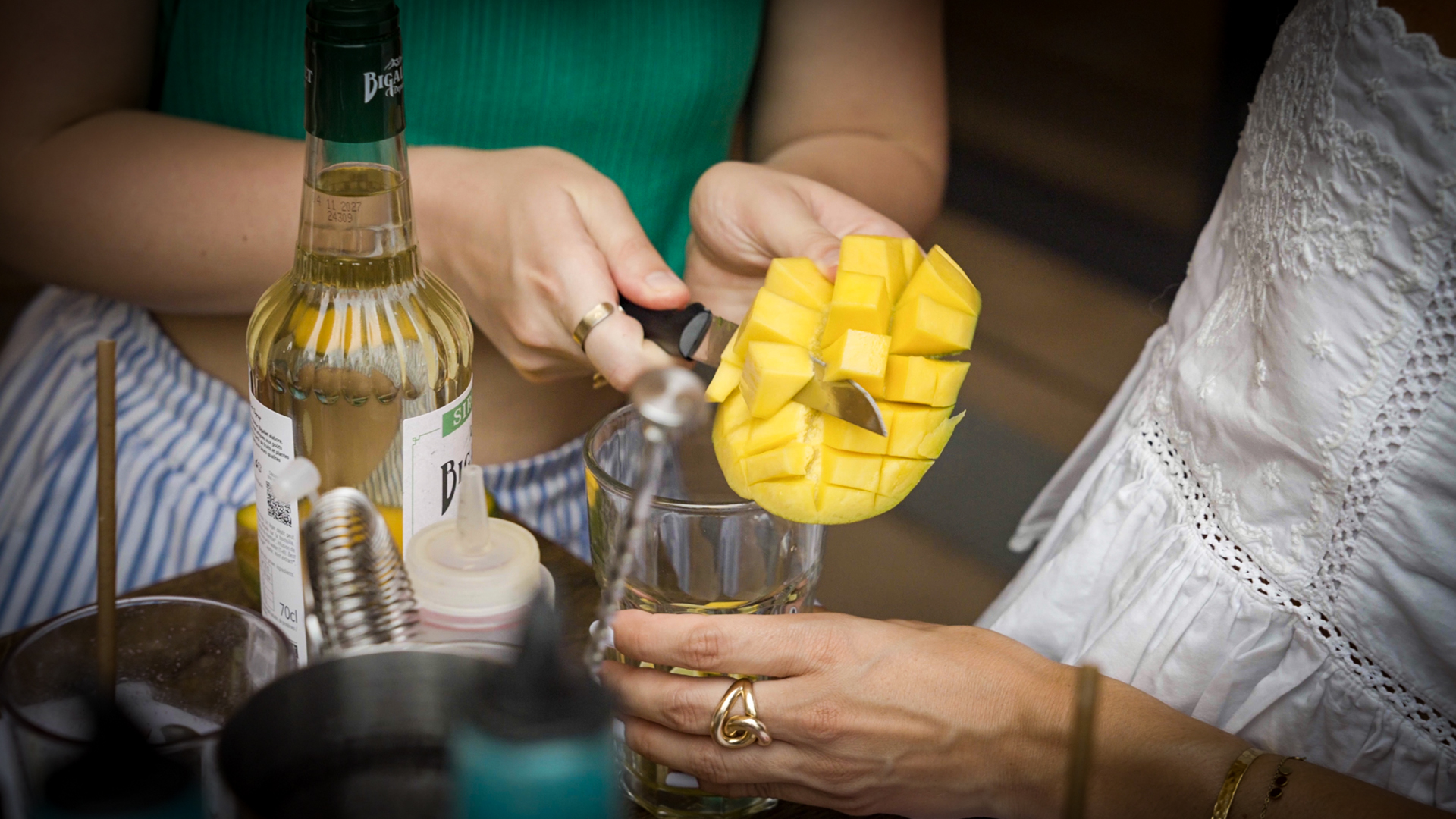
Yes, and modern corporate workshops should plan both from the beginning. Alcohol-free bases require the same precision : Acidity, bitterness, texture, length, freshness and aromatic intensity. Cold-brew tea, ginger, hibiscus, citrus, herbs and house-made syrups provide enough range for demanding recipes.
This inclusive approach prevents the group splitting between full participants and people watching from the side. A mocktail is not a reduced version of a cocktail. It is a complete creation with its own balance, technique and presentation.
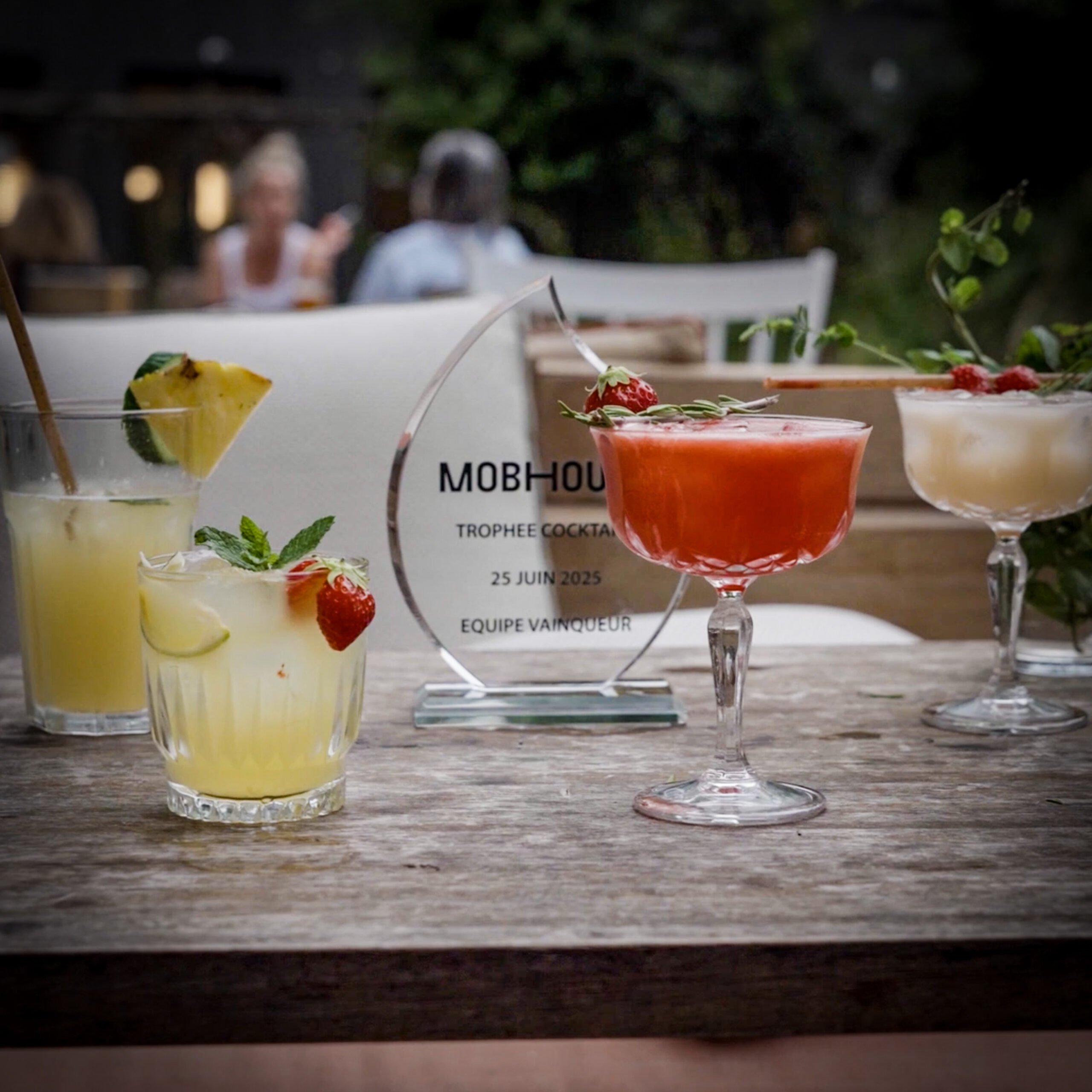
Budget depends on participant count, duration, venue, personalisation, staffing and equipment. For an introductory workshop of up to 20 or 25 people, market prices often sit around €900 to €1,400 excluding VAT, including ingredients and equipment.
A more structured corporate challenge with several teams, recipes and additional supervision usually requires €1,800 to €4,500 excluding VAT, depending on scale and options. Groups above 80 participants need several stations and event-level coordination. A clear quote should specify duration, hosts, ingredients, glassware, transport, setup and breakdown.
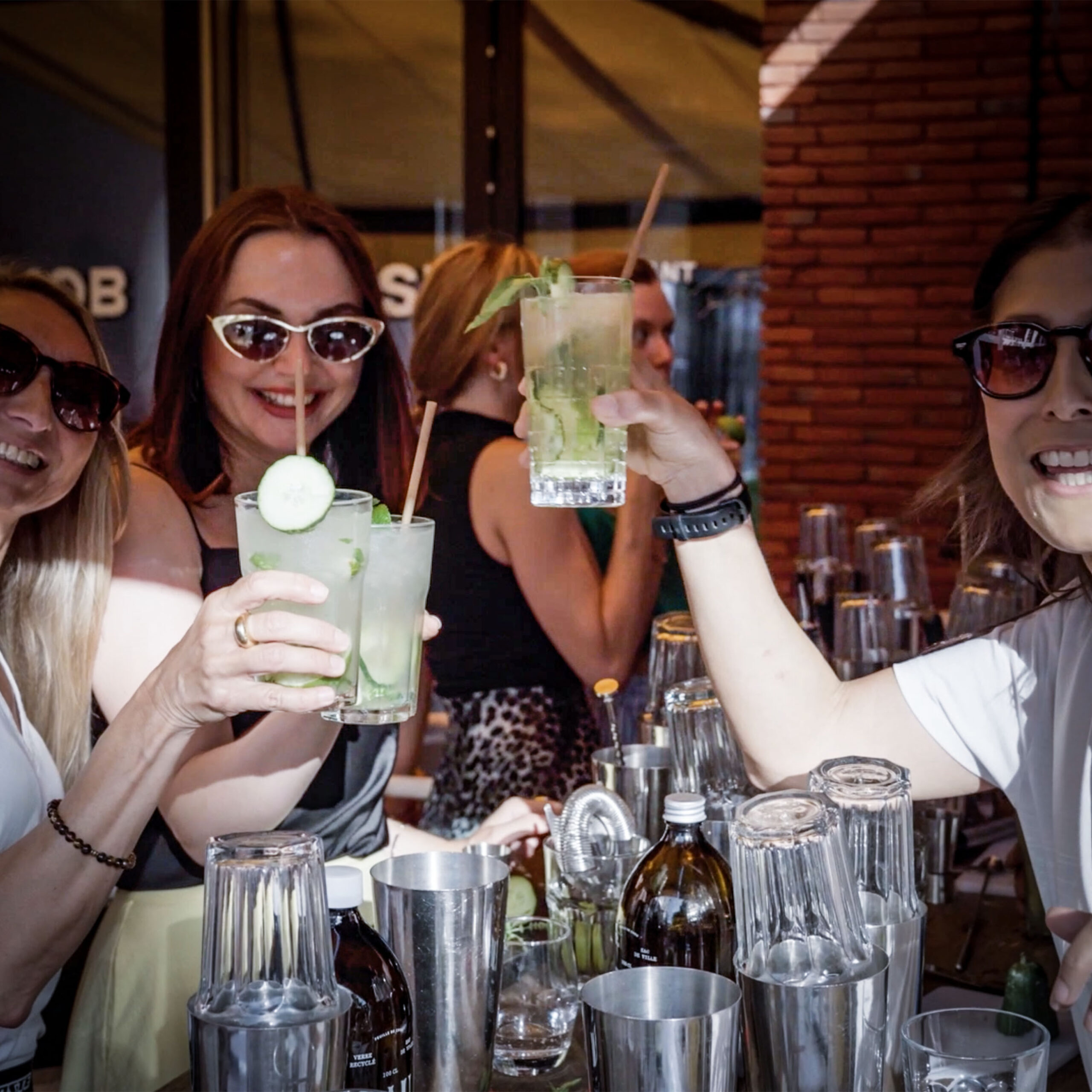
A workshop can open the programme as an icebreaker, revive attention in the afternoon or turn the end of a working day into a more social moment. During a corporate seminar, it works particularly well after an intensive session because it gets people standing, talking differently and focusing on a shared task.
It can also lead into a more traditional event cocktail bar. Teams create a recipe during the afternoon, then recognise that flavour or concept in the evening menu. The workshop stops being an isolated activity and becomes the first chapter of the bar experience.