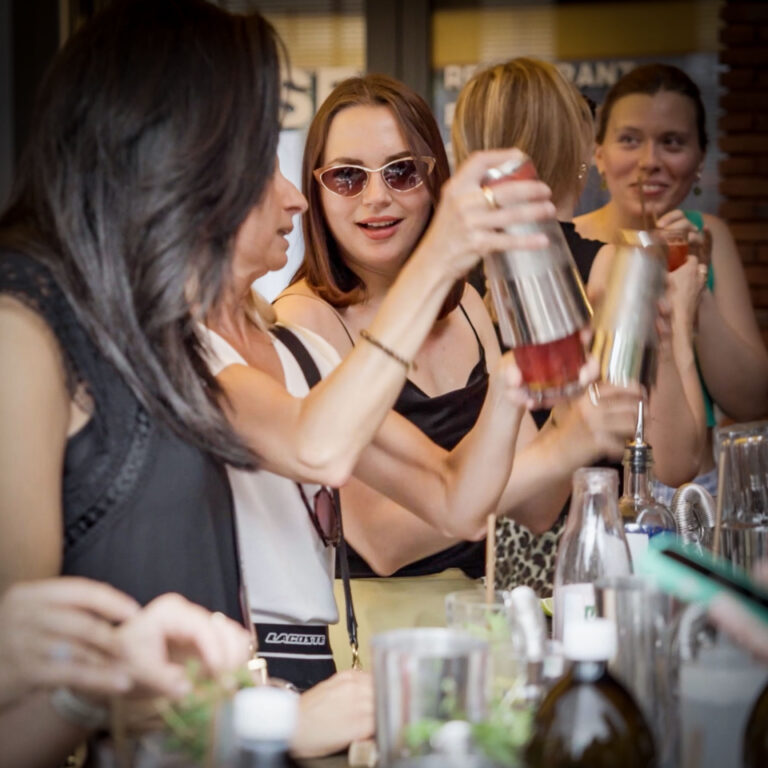
A guided cocktail workshop works well when you want colleagues to learn techniques and make recipes prepared around the theme. A cocktail trophy adds another stage: Teams invent their own drink. Learning a recipe and developing a creation need different amounts of time.
So Barman’s published formats offer a concrete reference: One hour for a workshop with two cocktails and a flair show; ninety minutes for a trophy with two cocktails, one team creation, an award and a show. These are the formats of this particular service, not an industry-wide rule.
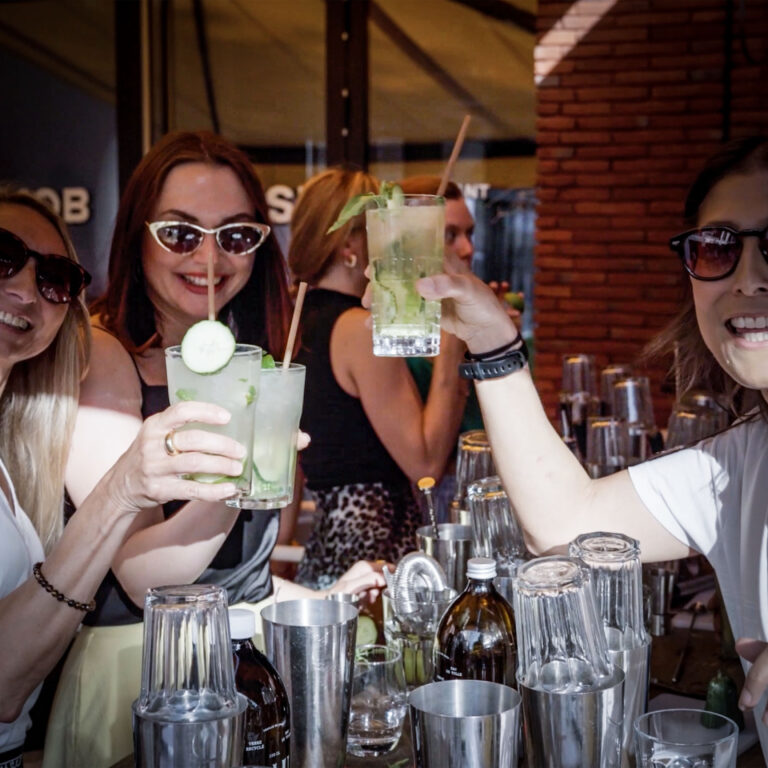
At Mob House in Saint-Ouen, the programme combined two guided recipes with a creation in teams of five to seven. For Halloween, the same structure can take on a new theme agreed with the mixologist. The case illustrates the format, not a past Halloween event.
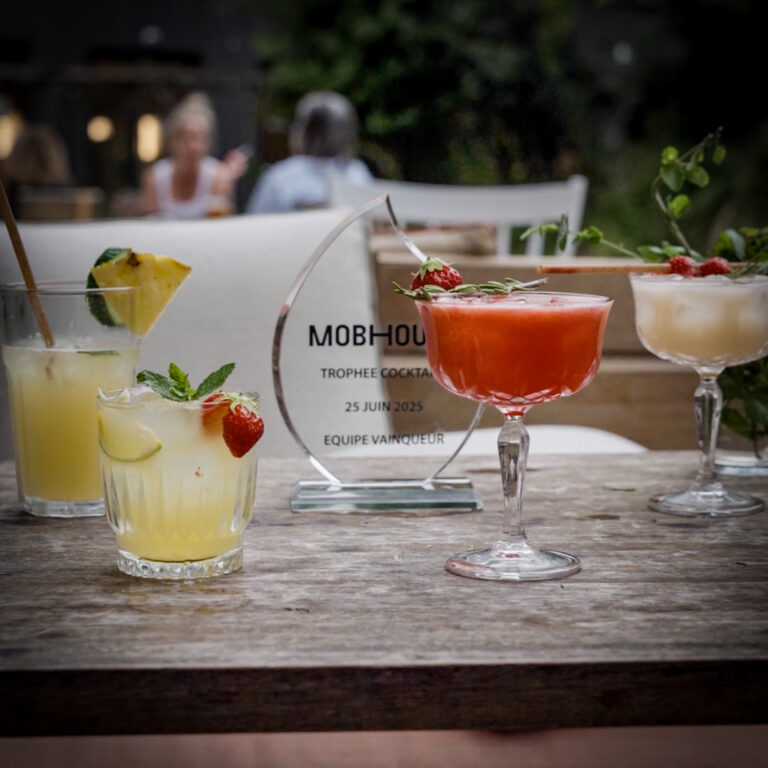
“Make a scary cocktail” leaves plenty of room for decoration and little direction for flavour. Instead, offer a setting, three flavour intentions and a name to invent. For example: A forest at dusk, with fruit, a herbal note and a refreshing finish.
Pear can bring rounded sweetness, black tea a drier structure, and an aromatic herb a scent that arrives before the first sip. These are ideas to test with the professional, not a recipe to assemble without tasting. An overly strong infusion may dominate; a few drops of lemon can brighten a base that feels too sweet.
Keep the initial ingredient choice limited. Each team then explains why it chose its combination. A name such as “Midnight woodland” becomes interesting when the drink fulfils its promise. Colour supports the story, but does not replace balance. Encourage teams to describe the flavour they want before reaching for another bottle.
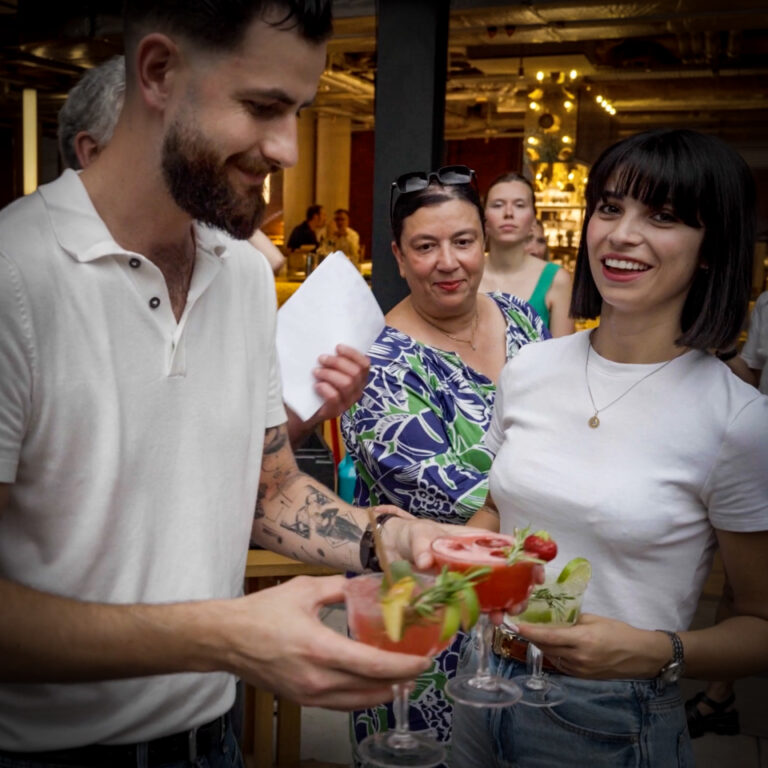
The guided recipes are a practical testing ground. Encourage colleagues to notice the difference made by ice, measurement or citrus, then let teams choose a direction. Keep the first trial small: A few millilitres are easier to adjust than a whole jug.
Share the tasks without fixing the roles. One person measures, another mixes and a third takes notes, then they swap. Record ingredients, quantities and the adjustment retained on a recipe sheet. “A little more lemon” becomes a repeatable measurement rather than an approximate memory.
For a cocktail team-building challenge, leave time for the final presentation too. Each team announces its name, describes the idea and explains one change it made. The mixologist supports the trials and keeps the activity moving. One finished recipe is more satisfying than a series of abandoned mixtures. The aim is to understand a choice well enough to make it again.
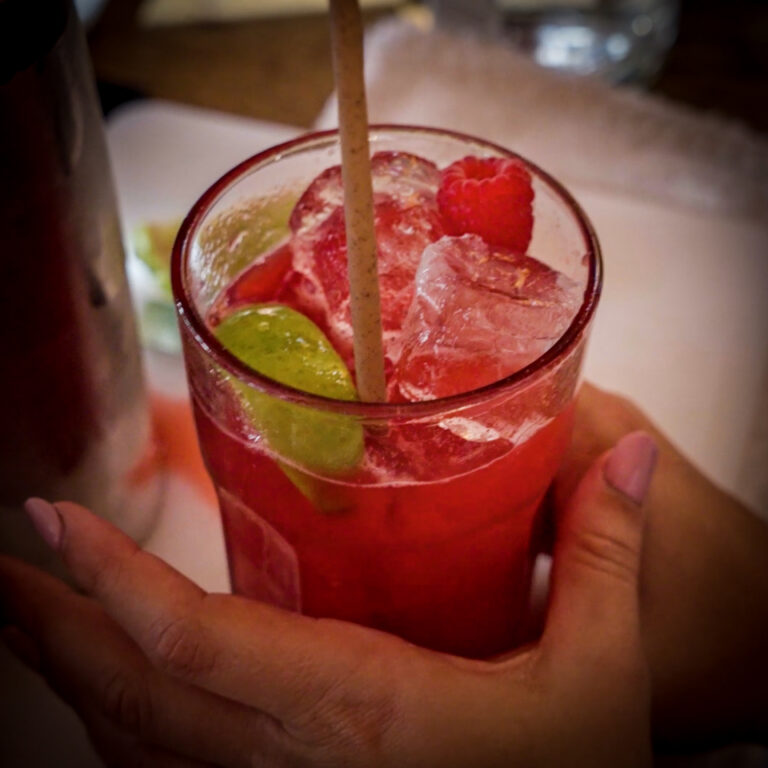
Yes, with the same creative challenge. Alcohol-free drinks can be the shared starting point for every team, with the same ingredients available and the same tasting criteria. There is no need for a separate activity.
Tea brings structure, fruit adds body and citrus introduces sharpness. At the Sopra Steria Form Xperience seminar, Dark Analysis combined green tea, blackberry-blackcurrant and grapefruit with raspberry pearls. That reception drink shows how a theme can become a flavour composition; it was neither a workshop nor a Halloween party.
For your challenge, take inspiration from the approach rather than copying every finish. A dark, fruit-led base can suggest a potion without becoming overly sweet. Taste the infusion on its own before mixing, then adjust acidity gradually. Technical finishes are not essential: A well-chosen aroma and an edible garnish can give the creation plenty of character.
Explain the criteria before teams begin: Flavour balance, accurate measurements, originality and connection with the theme. The most decorated glass should not automatically win. A simple idea that is well executed and clearly explained can be more convincing.
Give everyone comparable working conditions: The same creation time, ingredient options and quantity to present. The mixologist can help distinguish personal preferences from a balance problem. It is possible to dislike bitterness and still recognise a coherent recipe.
For the Halloween element, ask for a short presentation: What imaginary place does this drink evoke? Why this aroma? Which ingredient was discarded after testing? These questions recognise decisions, not just confidence in public speaking. Finish with specific feedback on each creation and keep the recipe sheets. Colleagues take away a little practical knowledge as well as a shared memory, with clear measures if they want to recreate the drink later.
Specify the date, address, number of participants, available time and preferred format: Guided discovery or creative trophy. Add the choice of alcoholic or alcohol-free recipes and any dietary requirements to pass on. Ask for staffing and workstations to be costed, not just drinks.
The quotation should clarify ingredients, equipment, glassware, installation, clearing away and travel. Check working space, water access and time for setting up. Free creation also needs an ingredient selection suitable for trials; it cannot be compared directly with a straightforward drinks service.
If guests arrive at different times, a bar with guest participation may suit the occasion better than a shared start. If you mainly want a menu to serve during the party, explore these Halloween cocktail ideas for a company party. First decide how guests will take part. The setting and recipes can then follow naturally.