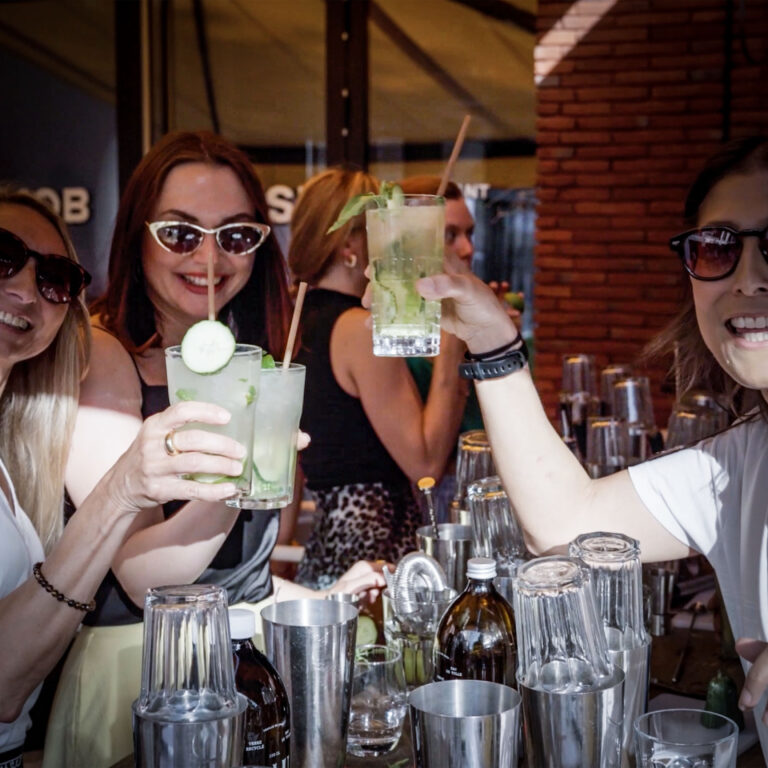
Start with a practical question: Will your guests all be there at the same time? For a smaller group sharing a clear time slot, a cocktail workshop gives colleagues the chance to learn techniques, taste and create together.
If colleagues are dropping in between meetings, an event bar service is a better fit. Drinks support the conversation without late arrivals having to catch up with a recipe. A welcome cocktail, a short menu and a shared toast can give the reception all the structure it needs.
As a planning example, a workshop is worth considering for 30 people available for an hour and a half. A hosted bar will often be more flexible for 80 guests arriving gradually. These are illustrations, not fixed thresholds. The right format puts people before spectacle.
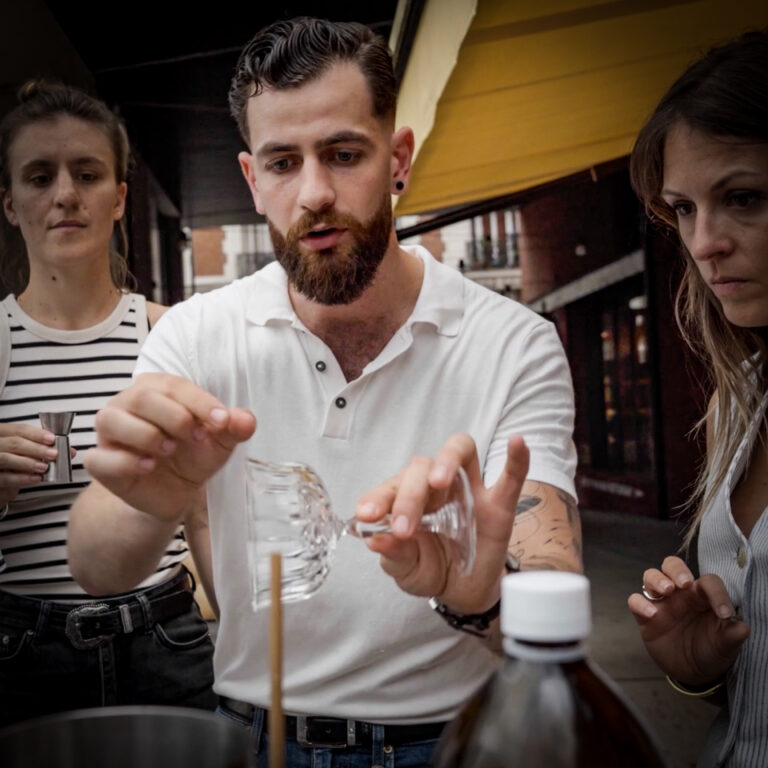
A shaker can get people talking. Give everyone a role: Smelling herbs, measuring ingredients, stirring, choosing a garnish or introducing the finished drink. Confidence behind a bar does not appear by magic. A trainer demonstrates, offers guidance and gives the group space to try.
The Mob House Saint-Ouen case study shows this progression. On 25 June 2025, So Barman combined an introduction to two cocktails with a cocktail trophy challenge, led by two bartender-trainers and organised in teams of five to seven. This was not a retirement party, but it illustrates how learning can lead into a shared creative experience.
For a farewell, that challenge could become a tribute, with each team imagining a drink inspired by a shared memory. If the guest of honour dislikes contests, leave out the ranking. The value of cocktail team building lies in doing something together, not in having to win.
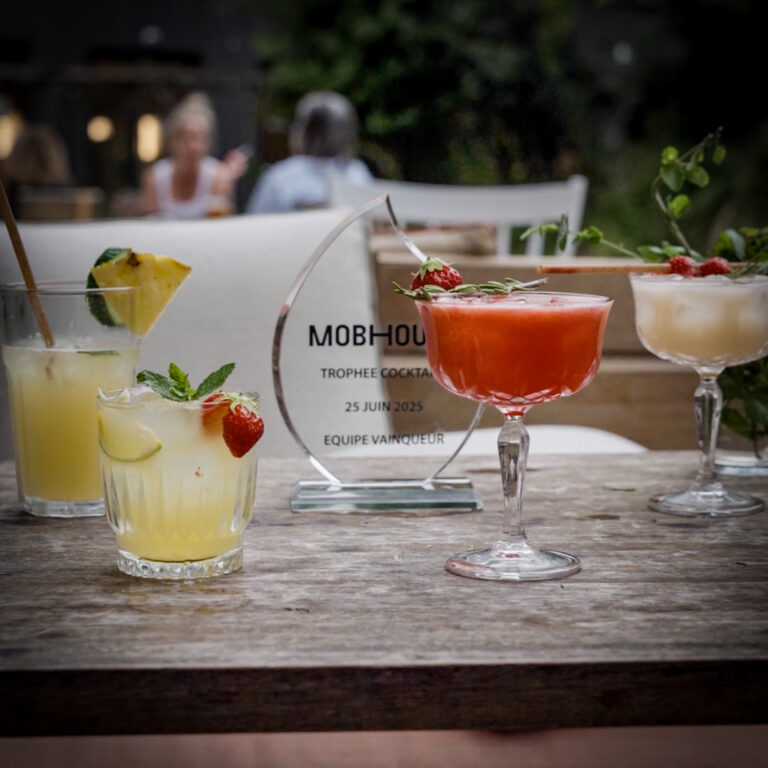
A witty name alone does not make a drink personal. Ask a close colleague to help build a flavour portrait: Citrus or berries, fresh herbs or spice, sweetness or bitterness. Add a favourite destination, an interest or a memory the person will enjoy recognising. Personalisation starts with flavour.
A Mediterranean inspiration might pair citrus with rosemary. The mixologist then adjusts acidity, sweetness and aromatic intensity. An over-infused herb can dominate everything else; an elaborate garnish can make a drink awkward to enjoy. The reference should still taste delicious.
Agree the recipe and its name beforehand. Choose a fond shared anecdote rather than an embarrassing joke. A menu carrying a few words about the inspiration, followed by a recipe card to keep, gives the memory a life beyond the party. One thoughtful creation means more than a long menu with no story.
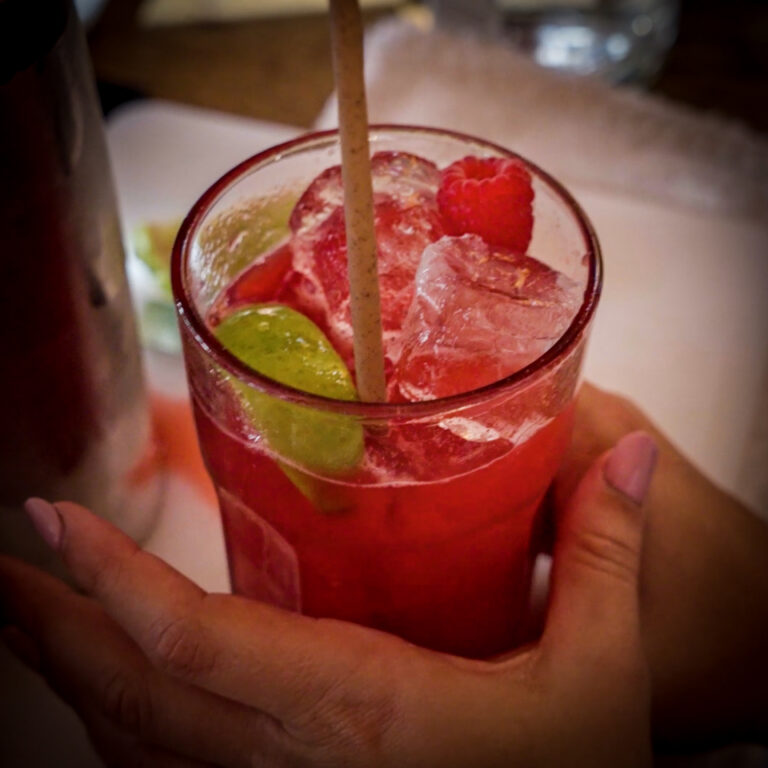
Guests should not need to explain their choices. Introduce alcoholic and alcohol-free creations with the same care, and make them easy to identify on the menu. In a workshop, participants should be able to practise the same techniques without having to use a spirit.
Simply removing alcohol can upset a recipe’s balance. A tea infusion adds structure, citrus brings brightness and ginger offers a lively finish. Adjust sweetness after tasting, taking the fruit and dilution into account. Add sparkling ingredients at the end, never inside a closed shaker.
Give glassware, temperature and garnish the same attention. An alcohol-free creation need not look like a glass of juice served on the sidelines. Make water readily available and provide something to eat alongside the drinks. The measure of a convivial party is the conversation, not the number of glasses consumed.
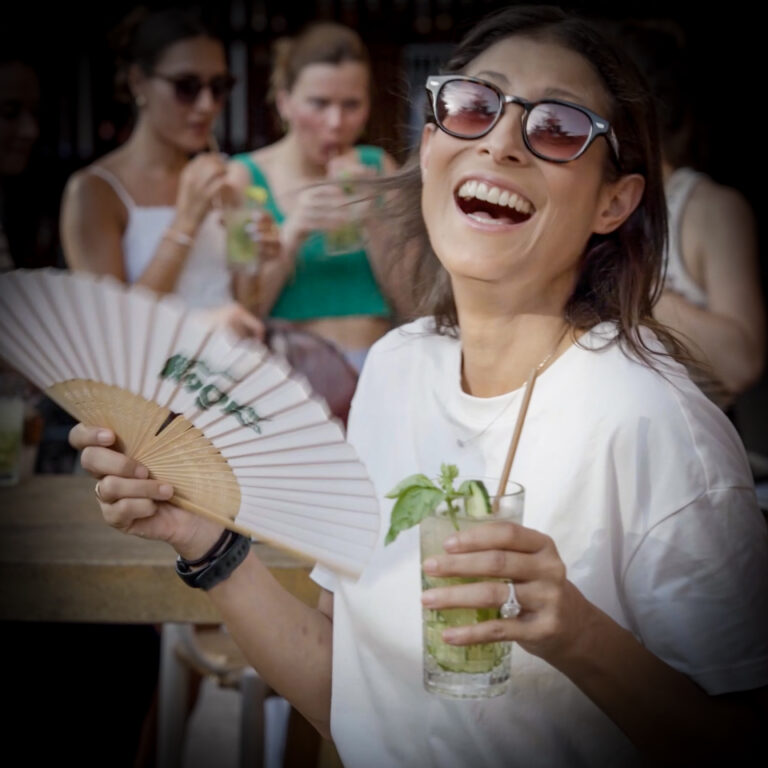
A retirement party has its own pace. The opening minutes belong to reunions and conversation. Then comes the moment to gather everyone, offer thanks and tell a few stories. The bar should support that rhythm, not compete with it. A shaker demonstration can easily drown out a speech.
For example, a two-hour reception might begin with an informal welcome, set aside time for speeches and a gift presentation, then return to drinks and conversation. A workshop needs a more continuous slot, followed by a quieter moment for the tribute.
Give the bar team advance notice of the toast so that glasses are ready at the right moment, without sitting on the counter until the drinks lose their freshness. Appoint one person to give the signal. Avoid placing the bar between the speaker and their colleagues, too. Clear circulation keeps attention on the occasion and lets guests enjoy it without having to negotiate a queue.
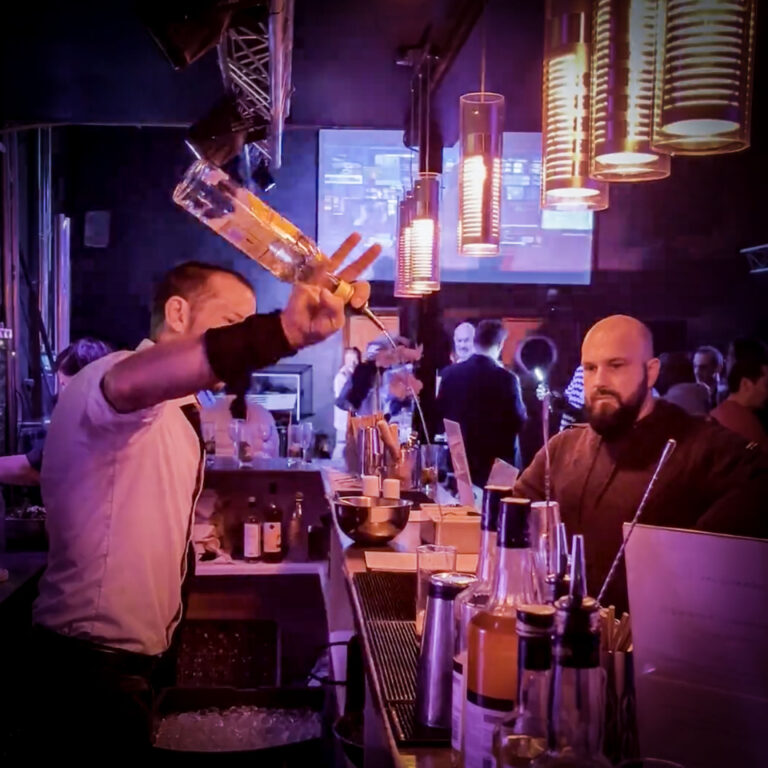
For a conventional hosted bar, a market reference is €9–€13 excluding VAT per cocktail served, in a package including staff, equipment and ingredients. As an illustration, 60 guests with two cocktails planned per person means 120 drinks, or €1,080–€1,560 excluding VAT. This calculation is neither a So Barman quotation nor a workshop price. Minimum booking requirements, travel and venue constraints can change the total.
For a workshop, clarify duration, staffing, recipes and equipment per participant. For a mobile bar, check access, preparation space, ice, glassware and collection arrangements. Outdoors, plan a sheltered position and a fallback location.
Share the date, venue, guest count, timings and intended running order. A transparent quotation makes the inclusions clear. Installation should be complete before guests arrive. You can then focus on what the occasion is really about: Saying thank you and enjoying the celebration together.