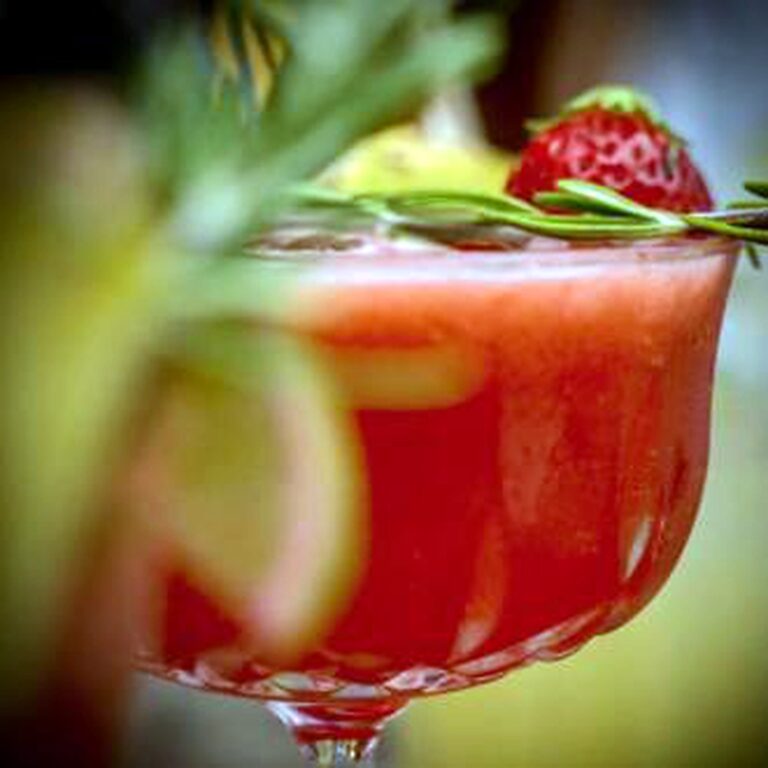
Build your menu around three genuinely different flavour profiles, rather than three very sweet red drinks. These are creative starting points to develop with a mixologist, not fixed recipes.
Crimson twilight: Pomegranate, hibiscus infusion and lemon, with a refreshing finish. Hibiscus brings a tart note, while pomegranate adds fruit and a deep colour. An alcohol-free version could become your welcome drink.
Midnight orchard: Apple, lemon and ginger, with a touch of cinnamon. Look for crisp fruit and gentle warmth rather than a liquid dessert. If a rum version is chosen, its balance needs to be adjusted separately.
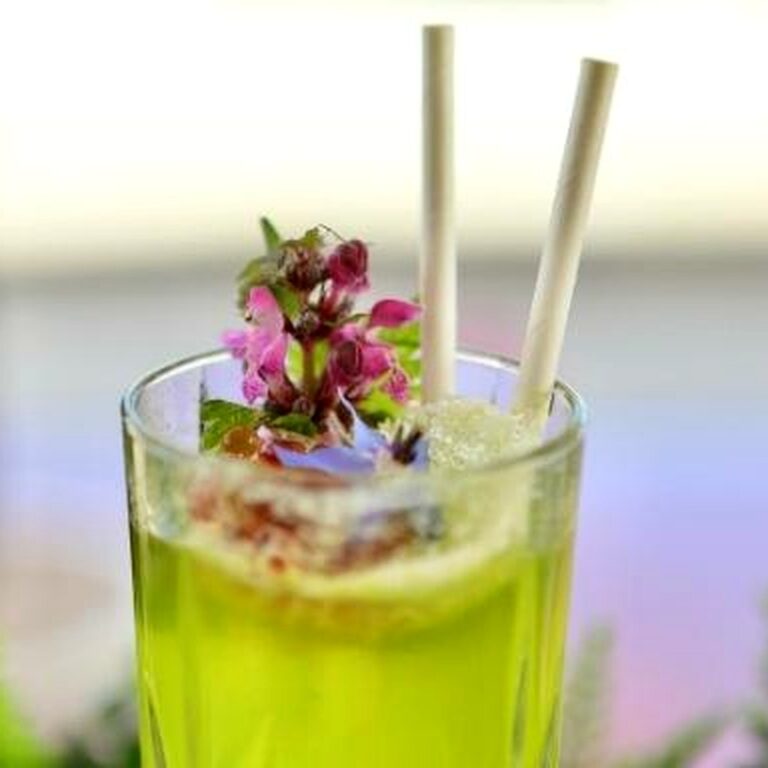
Strange garden: Cucumber, lime and basil for a brighter, greener flavour profile. The shade will depend on the ingredients; there is no need to promise fluorescent green. Evocative names can tell the Halloween story while the menu clearly explains flavours and whether each drink contains alcohol. Guests should choose a drink they will enjoy, not have to guess what is hidden behind its name.
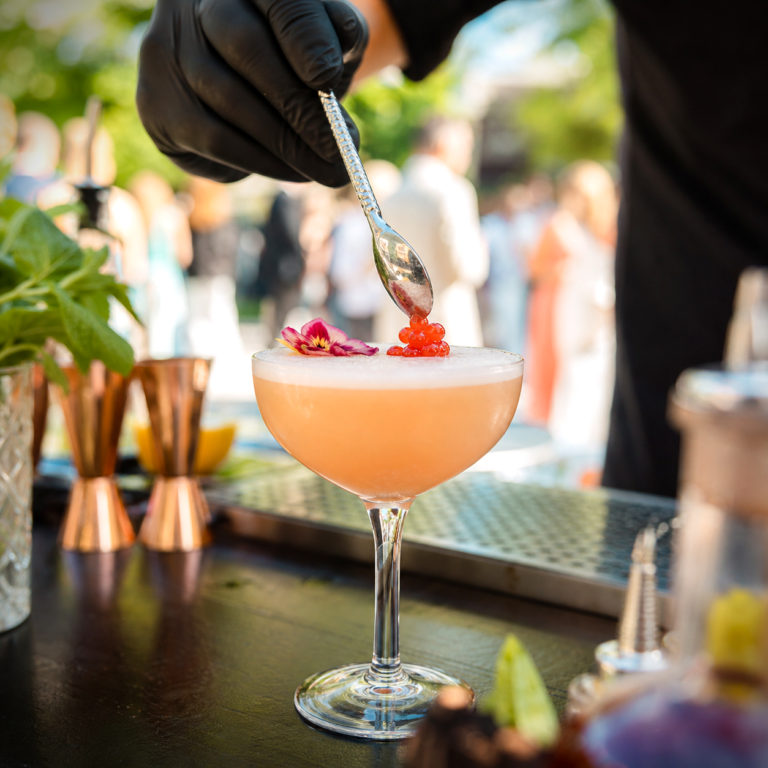
Halloween encourages you to play with appearances. An unexpected texture continues that sense of curiosity: Fruit pearls add little bursts on the tongue, a light foam changes the first impression, and an aromatic bubble creates a fleeting surprise.
The purpose of a molecular cocktail experience is to connect the effect with the drink. A fruit finish might add contrast to a berry creation, while a herb-led drink should retain its freshness. The professional tests flavour, stability and consistency before the event.
You might reserve the special finish for one signature drink, giving the other recipes simpler presentations without losing their character. If you want a reveal under a glass dome or an aromatic bubble, the guide to smoking cocktails for events explores those options. Smoke is not essential to tell a Halloween story. A small, well-judged change in texture can be just as memorable.
Design the alcohol-free option as a complete creation from the start. Colour and texture do not depend on a spirit. Tea, an infusion, tart fruit or a note of ginger can give a drink depth and character.
To explore the Midnight orchard idea, try an indicative base of 80 ml apple juice, 20 ml lemon juice and 40 ml alcohol-free sparkling ginger drink. Pour over ice, stir gently and taste before adding any sugar. Adjust the lemon to suit the apple juice; a very small touch of cinnamon is enough. This is a tasting starting point to test before scaling up for a reception.
The Saica New Year ceremony demonstrates how an alcohol-free menu can include molecular effects. It was not a Halloween event: The reference illustrates the approach, not a party on this theme. Make ingredient information easy for guests to access, too.
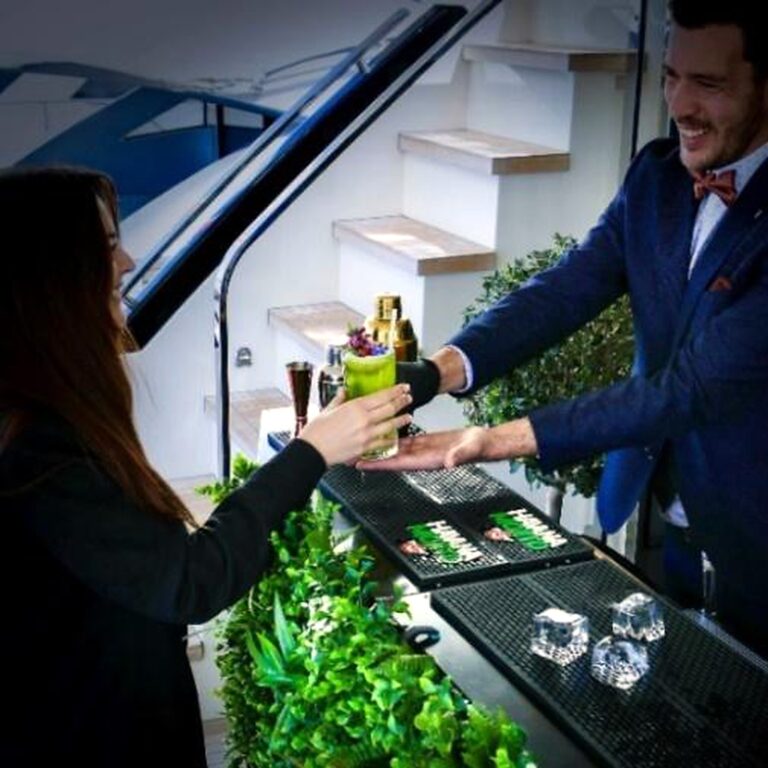
The first drink often sets the pace. When guests arrive together, offer a welcome option that is straightforward to serve, then introduce the signature creation. The theatrical finish needs its own moment, without bringing the entire queue to a halt.
Consider an illustrative plan, not a past booking: For 80 guests over two hours, fruit-led and herb-led drinks could lead the welcome, with more attention given to molecular finishes after a speech. Staffing depends on the required pace, the recipes and other drinks available, not simply the headcount.
A complete event bar service helps coordinate these stages with the caterer and event host. Plan glass collection and drinking water as well. Costumes, conversations and photographs all take up space, so keep a clear route around the counter. Guests should be able to enjoy the spectacle without standing in the way of the next order.
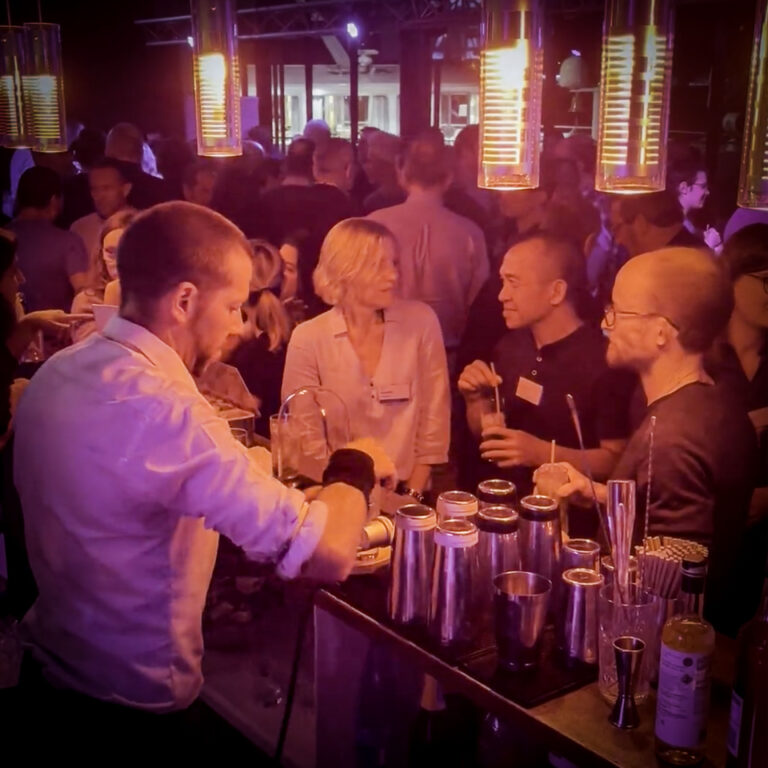
A dark counter, warm lighting and a thoughtfully designed menu may be enough to establish the atmosphere. Decoration should leave room for service. Avoid covering the working surface with props; keep preparation and drink collection areas clear.
When planning a mobile bar for your reception, check doorways, stairs, preparation space and the technical requirements of the chosen equipment. Photographs and a dimensioned floor plan make these conversations easier. For an outdoor terrace in late October, arrange a sheltered alternative.
Test the lighting on the drinks themselves. Strong coloured light can hide the carefully chosen shades of your menu. Names and ingredients should remain readable, too. Agree any special effects with the venue beforehand. Successful decoration attracts attention without obstructing the bartender’s view or guests’ movement, leaving the drinks and the conversations at the centre of the evening.
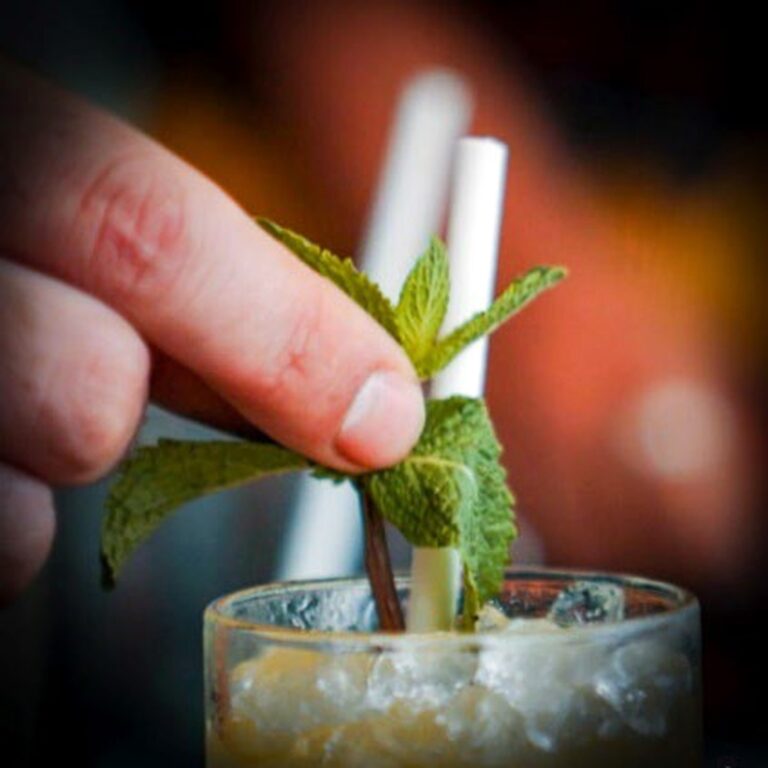
Prepare a brief covering the date, venue, timings, expected attendance and the bar’s role. Add flavour inspirations, alcohol-free choices and the finish you would like. Ask for standard service and molecular options to be priced separately in the quotation.
For a conventional hosted bar, a French market reference is €9–€13 excluding VAT per cocktail served, in a package including staff, equipment and ingredients. As an illustration, 80 guests with two cocktails planned each means 160 drinks, or €1,440–€2,080 excluding VAT. This is not a So Barman quotation and does not price molecular effects. Minimum booking requirements, travel and venue constraints may change the total.
Confirm inclusions, installation times and the service plan before finalising the menu. Three carefully prepared creations are worth more than a long improvised list. Halloween can keep its sense of mischief while your reception keeps its rhythm.