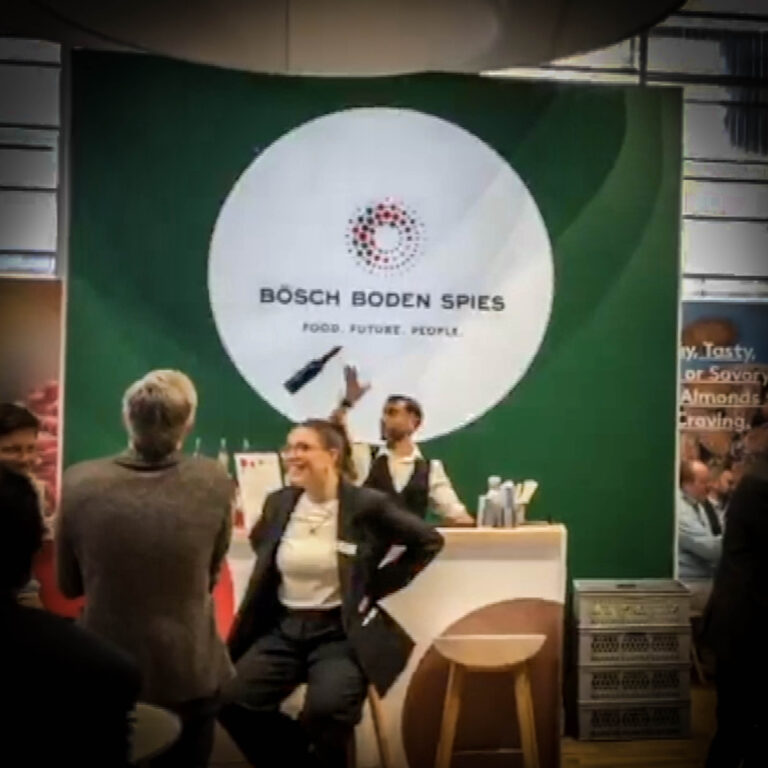
Start with a simple question: What should happen after the first sip? Welcoming a client between meetings, introducing an ingredient and creating a lively moment each call for a different arrangement. Choose your main objective before choosing the counter.
For hospitality, prioritise an easy welcome and somewhere to talk. For a product tasting, connect the recipe with something visitors can recognise: A fruit note, a texture or a bright finish. A more theatrical presentation needs room for people to watch, as well as space for the bartender to move.
Plan the handover to your sales team too. Who greets a visitor while their drink is being prepared? Where does the conversation continue? An event bar service supports that journey; it does not replace available colleagues or a clear explanation of your offer. A busy stand is not necessarily an easy place to hold a useful conversation.
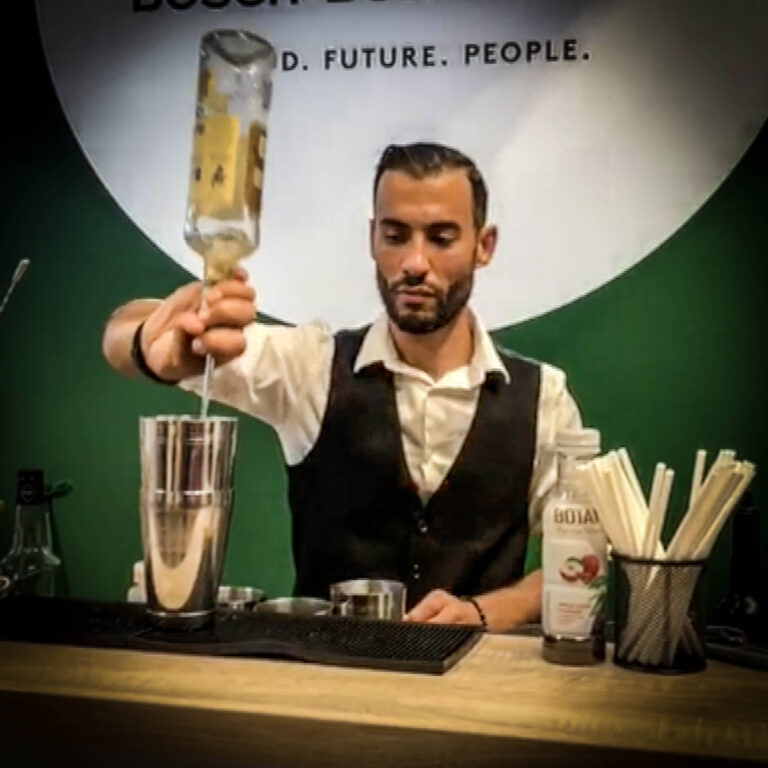
A short menu makes choosing easier and leaves time to explain a recipe without slowing every order. Give alcohol-free drinks the same care as alcoholic cocktails. During the day, guests should be able to choose a considered drink without asking for an alternative to the main experience.
For example, imagine a creation combining fruit, an infusion and a touch of citrus. The fruit brings body, the infusion adds character and the citrus gives a brighter finish. This is an idea to taste with a mixologist, not a universal recipe. If your brand supplies an ingredient, assess how it tastes in the finished drink. An attractive menu name will not make its qualities stand out on its own.
For your event cocktail bar, agree on recipes, serving sizes, garnishes and ingredient information before the exhibition. An enjoyable drink also needs to be prepared consistently throughout service. Save time-consuming finishes for moments when there is genuinely room for them.
The exhibition’s total attendance does not tell you how many drinks your stand will need. Start with booked meetings, hospitality hours and planned gatherings. Peak demand matters as much as the daily total. A quiet hour does not make up for a queue when all your guests arrive together.
The Bösch Boden Spies project at SIAL Paris 2024, delivered by So Barman with Scarlett, offers a specific example: 405 cocktails and mocktails served over three days, with planned capacity of up to 30 cocktails an hour. Those figures describe this particular service. They are neither a universal staffing ratio nor a promise for every possible menu.
Ask your provider to assess the expected pace against the recipes, glassware and workstation arrangement. Separate the quantity of stock available from the speed of preparation. Plan replenishment, ice, breaks and service continuity across several days. Much of what keeps a bar running happens behind the counter rather than in front of visitors.
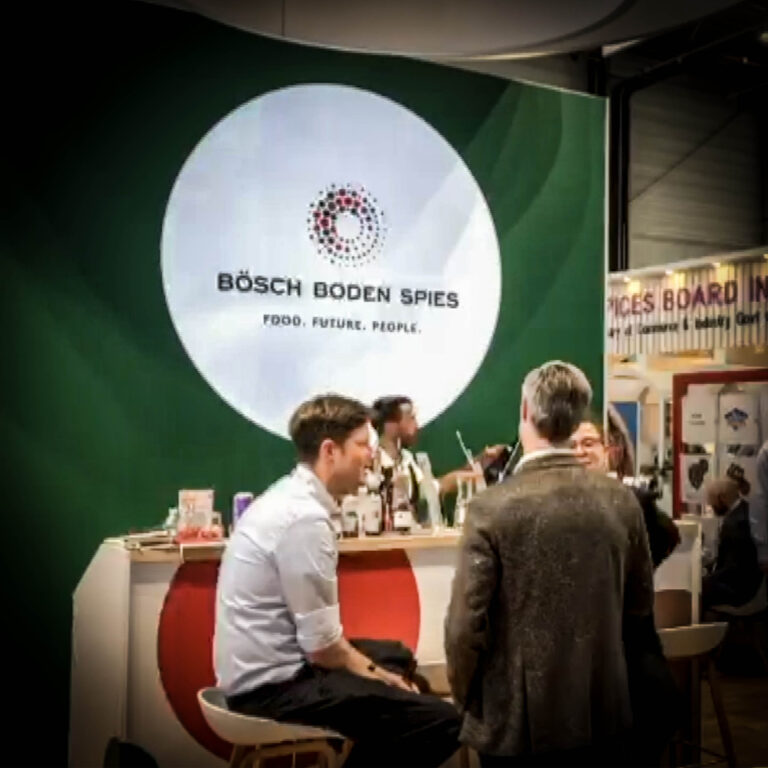
Position the bar on your stand plan before confirming the furniture. Visitors should be able to order without blocking the entrance or meeting areas. Map the staff route as well: Access to supplies, glass returns and waste removal. These movements require space even when they remain discreet.
A mobile bar can adapt the counter to the venue, but it does not remove technical requirements. Clarify water, power, refrigerated storage and cleaning needs. Check usable dimensions, not just the front elevation shown in a photograph.
Consult the organiser’s rules and instructions for deliveries, passes, installation times, catering services and drinks service. Conditions differ between exhibitions. For a multi-day event, also agree where equipment stays overnight and how products are stored. Identify an on-site contact who can resolve practical questions. A clear route to the right person is more useful than discovering during service that nobody knows who manages the delivery entrance.
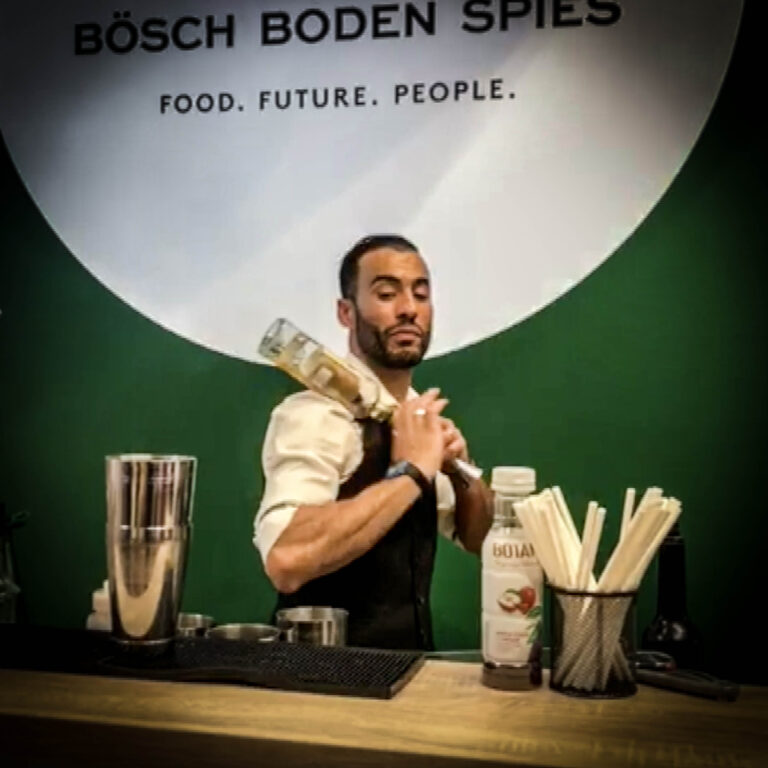
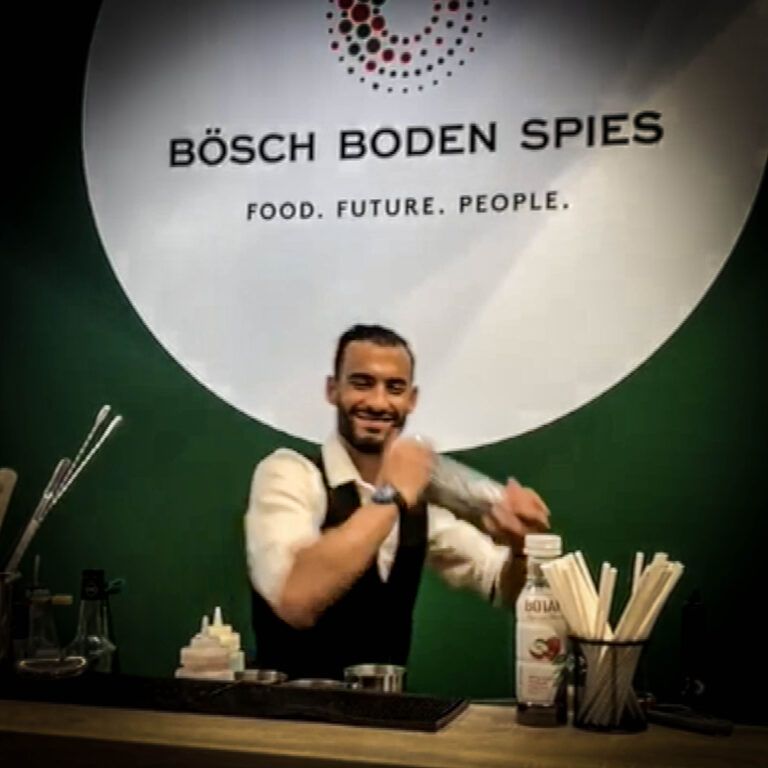
Working Flair brings visual movements into drinks service: The performance accompanies preparation and interaction. A dedicated show is a separate entertainment moment. Choose according to available space and the attention you want to invite. They are not interchangeable names for the same service.
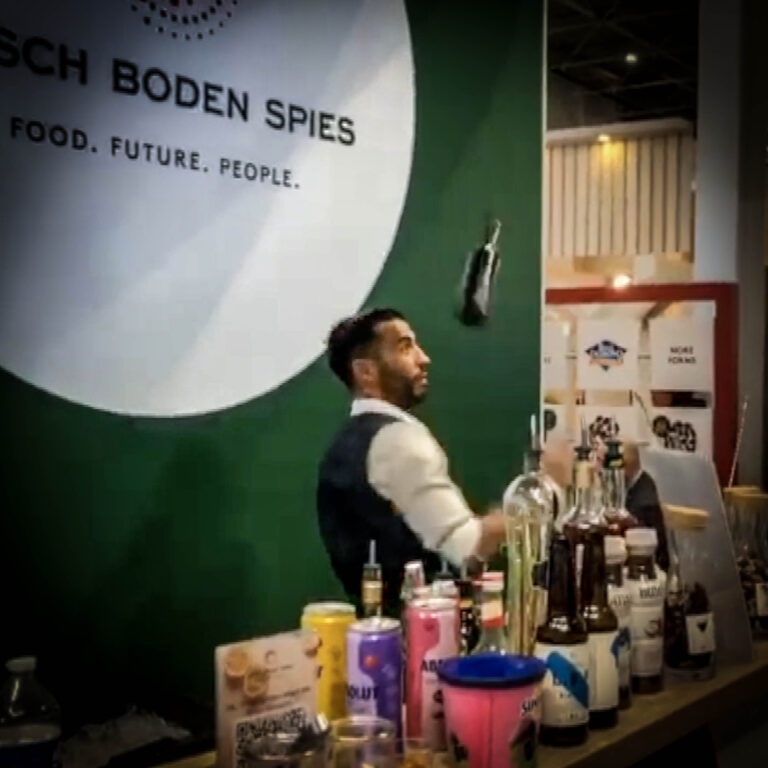
On the Bösch Boden Spies stand pictured here, Working Flair accompanied the bar and ingredient discovery. For another exhibition, a flair bartender may propose a different intervention, developed with the exhibitor. That means agreeing on timing, movement space and compatibility with neighbouring demonstrations.
Avoid scheduling a loud performance during an important meeting. Confirm safety, circulation and sound requirements with the relevant contacts before committing to a format. The right level of entertainment is also defined by what it allows around it: Hearing a question, explaining a product and continuing a conversation without having to leave the stand. A few well-placed gestures can suit an occasion better than a longer interruption.
A price per drink is not enough to compare two exhibition bar proposals. Ask for the same scope to be costed, with clear inclusions and limits. The number of days, working hours and access conditions can matter as much as the drink selection.
Send a practical brief covering:
Clarify how extra demand is charged and how responsibilities are shared with your team. Then keep two separate records: Drinks served to refine the operation, and business conversations to assess your exhibition presence. A cocktail count alone cannot demonstrate a commercial result. A successful welcome starts with that clarity, well before the first order reaches the bar.

